Prevention and Early Detection of Women's Diseases: Information about regular health screenings, early detection of breast cancer, cervical cancer, and other gynecological conditions.

The preservation of women's health is of great importance. Prevention and early detection of diseases play a crucial role in this context. Particularly with diseases such as breast cancer, cervical cancer, and other gynecological problems, it is important to act in a timely manner.
In this article, we aim to provide you with comprehensive information about regular health screenings and early detection methods for women's diseases. Learn more about the importance of regular doctor visits and health checks, as well as the different screening methods for breast cancer, cervical cancer, and other gynecological diseases.
Importance of Regular Health Screenings
Health screenings are medical examinations aimed at early detection or even prevention of diseases. They play an important role in maintaining health and can help identify potential health risks.
Women should regularly participate in screenings tailored to their age and individual risk profile. These include tests such as mammograms, Pap smears, ultrasound examinations, and HPV tests.
It is important to regularly visit your doctor and have health checks conducted. Additionally, modern technologies such as home tests can be a convenient way to keep an eye on your health at home.
Special Diseases in Focus
Some gynecological diseases require special attention and regular screenings. These include breast cancer, cervical cancer/HPV, and other conditions such as endometriosis, ovarian cancer, and uterine fibroids.
Breast Cancer: Uncontrolled cell division in breast tissues that can lead to a tumor. Symptoms may include lumps in the breast, changes in breast shape or size, skin changes, and discharge from the nipple. Early detection through regular mammograms and self-examinations by palpation is important.
Cervical Cancer/HPV: Cervical cancer is often caused by an infection with human papillomavirus (HPV). Symptoms may include vaginal bleeding between menstrual periods, pain during intercourse, and abnormal discharge. Early detection through regular Pap smears is of great importance.
Endometriosis: A condition where tissue that normally lines the uterus grows outside of it. Symptoms include severe menstrual pain, pain during intercourse, and infertility.
Ziwig Endotest® is an innovative, non-invasive diagnostic tool based on the analysis of salivary miRNAs using Next Generation Sequencing and artificial intelligence. The application is exclusively performed by medical professionals to diagnose endometriosis using a saliva sample. Learn more here!

Ovarian Cancer: Cancer that starts in the ovaries. Often, there are no obvious symptoms in the early stages. Later symptoms may include abdominal pain, bloating, fatigue, and changes in bowel movements. Early detection is difficult, so awareness of symptoms is important.
Uterine Fibroids: Benign tumors that grow in the muscle layer of the uterus. They can cause symptoms such as heavy menstrual bleeding, pelvic pain, frequent urination, and pressure on the bladder or bowel. Treatment can range from watchful waiting to medications or surgical interventions, depending on the size and symptoms of the fibroids.
Early Detection of Cervical Cancer
Background Information on Cervical Cancer and HPV Infections
Cervical cancer is a serious disease often caused by human papillomaviruses (HPV). Early diagnosis is crucial for successful treatment.
Importance of Pap Smears (Pap Tests) for Early Detection of Cervical Cancer
Pap smears are an essential part of the early detection of cervical cancer. They can help identify abnormal cell changes early and take timely action.
HPV Tests and Their Role in Early Detection and Prevention
In addition to Pap smears, HPV tests can be used for the early detection and prevention of cervical cancer. They can identify the risk of HPV infection early and thus reduce the risk of cancer.
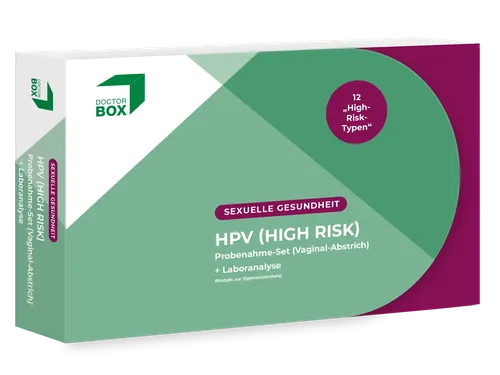
With our sampling kit for Human Papillomaviruses (HPV-High Risk), you can conveniently conduct an important preventive screening from the comfort of your home. The kit is specifically designed for self-application and allows for the early detection of high-risk HPV types, which are classified as carcinogenic (cancer-causing) by the WHO. Learn more here!
Conclusion
Regular participation in health screenings and early detection methods is crucial for women's health. A proactive approach can prevent serious diseases or treat them early.
We are committed to emphasizing the importance of prevention and early detection for women's health. Active participation in one's own health care can help detect diseases early and improve quality of life.
Finally, we encourage you to regularly participate in health screenings and prioritize your health. Your health is in your hands, and early diagnosis can save lives.


